Guides / Complete Koi Pond Protection
Complete Guide To Protecting Koi Ponds
Koi are a significant investment — both financially and emotionally. Protecting them requires a multi-layered approach that addresses predators, environmental risks, and the natural behaviour of the fish themselves.
Predators such as herons
Grey herons are the primary predator threat to koi ponds in the UK. They can strike at dawn before you're even awake, taking multiple fish in a single visit. Cats, cormorants, and even mink are also known to target garden ponds. Physical barriers can form part of a pond protection plan, without guaranteeing against every predator. Read our detailed guide on how to stop herons eating your koi.
Koi jumping behaviour
Koi jump for many reasons — poor water quality, spawning, fright response, or simply overcrowding. Losses from jumping are particularly frustrating because a barrier can help reduce the risk but cannot prevent every jump. Our guide on why koi jump out of ponds covers every trigger and how to address it. You can also read our quick answer to how high should a koi jump guard be?
Pond depth considerations
Deeper ponds offer fish more refuge from predators and help maintain stable water temperatures. A minimum depth of 1.2 metres is recommended for koi ponds, with deeper sections (1.5–1.8m) providing additional protection. Shallow ponds make fish vulnerable to herons and increase the risk of jumping, as fish are closer to the surface.
Plant coverage
Marginal plants and lily pads provide shade and hiding spots for fish. While plants alone won't stop a determined heron, they create visual cover that makes it harder for predators to spot and target individual fish. Water lilies also reduce algae growth by limiting sunlight penetration, contributing to better water quality overall.
Lighting and deterrents
Motion-activated lights and sprinklers can deter herons, particularly at dawn. Solar-powered pond lights that illuminate the water surface may also discourage night-time predators. However, electronic deterrents should be viewed as supplementary — herons learn to ignore decoys and become habituated to repetitive stimuli. No deterrent guarantees protection; barriers also need periodic cleaning and fitting checks.
Physical barriers
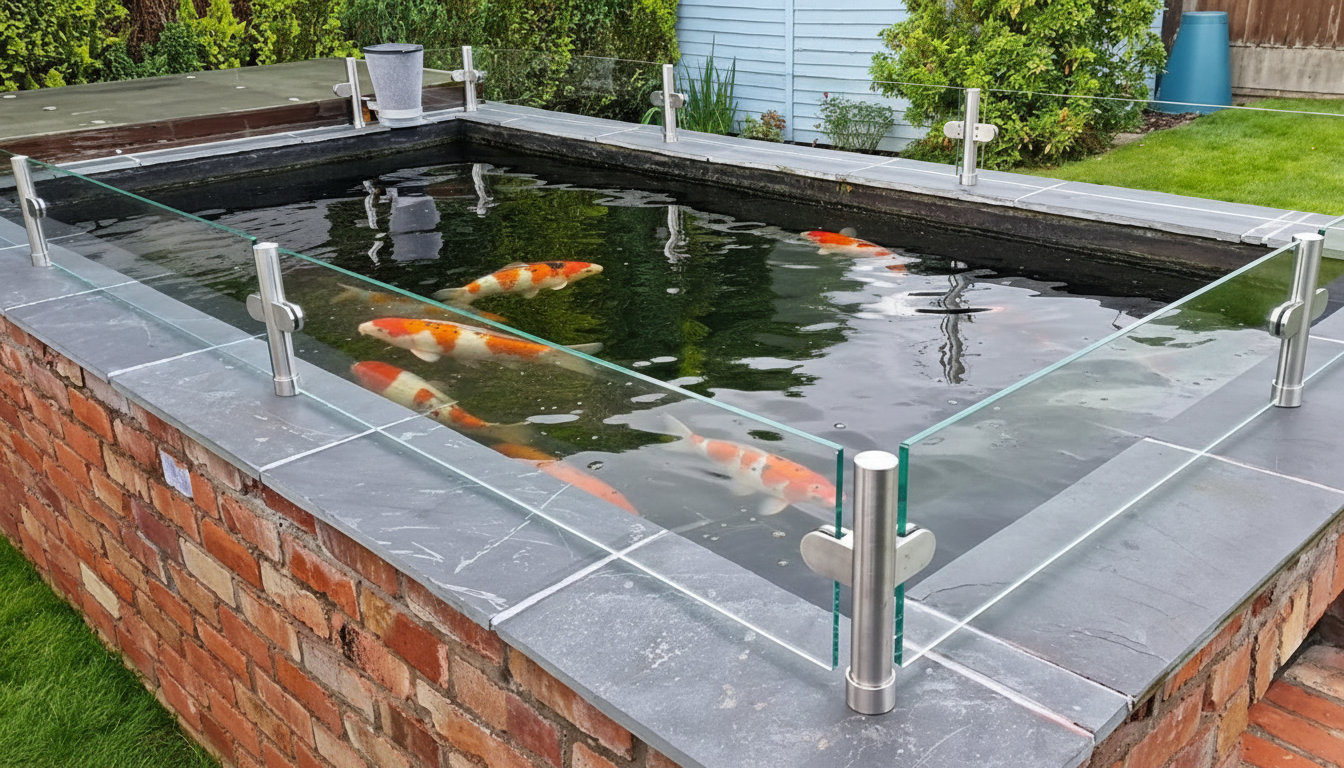
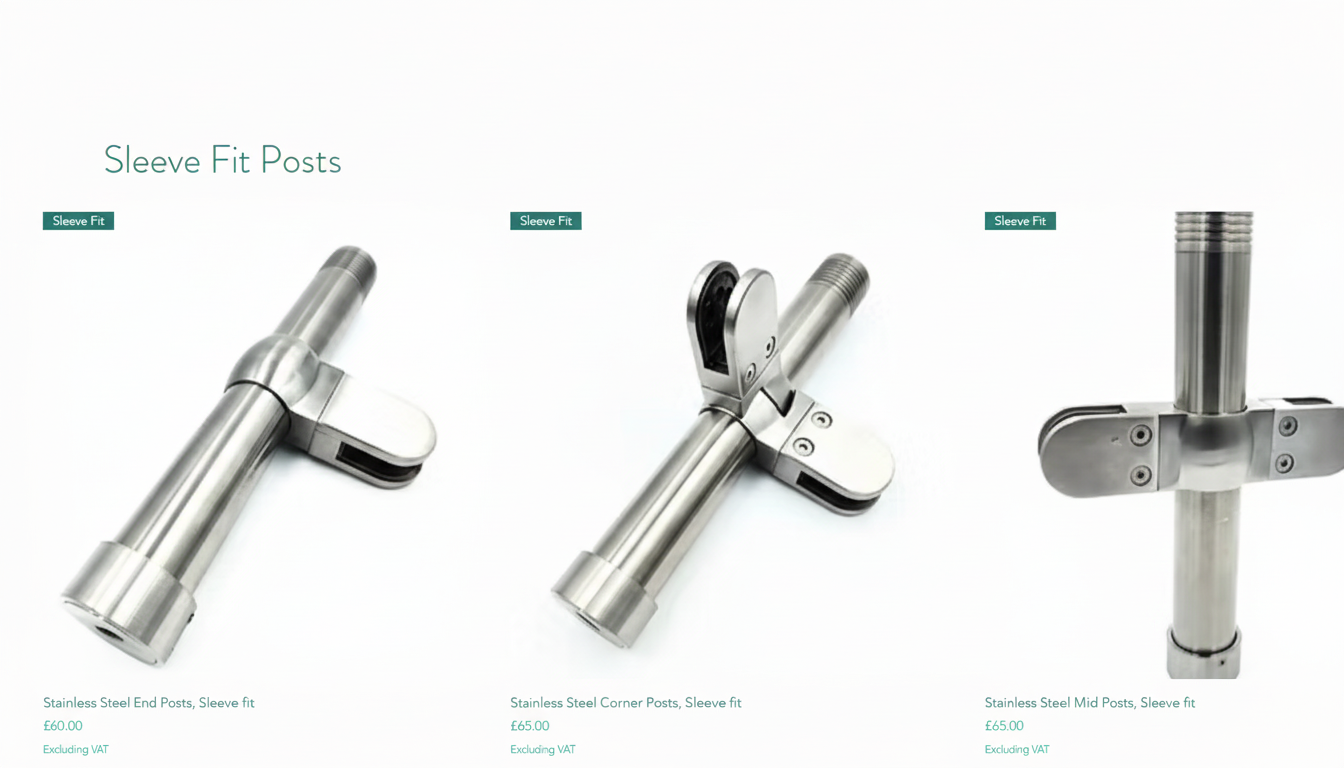
Glass jump guards may make pond-edge access harder for herons and help reduce jumping risk while keeping the pond visible. Unlike pond nets, glass barriers don't obstruct your view, need periodic cleaning and fitting checks, and enhance rather than detract from your pond's appearance. Marine-grade stainless steel posts ensure the system lasts for years in outdoor conditions. See our installation guide for fitting details.
A layered approach
The strongest protection combines multiple strategies: adequate pond depth, plant coverage for refuge, electronic deterrents for early warning, and a physical glass barrier as the primary defence. This layered approach addresses every major threat and gives your koi the best chance of thriving safely.
Why Koi Keepers Use Jump Guards
- Helps reduce the risk of koi jumping out of ponds
- Helps deter predators such as herons
- Keeps your pond visible without nets
- Long-lasting stainless steel construction
Frequently Asked Questions
What is the best way to protect koi from herons?
Glass guards may make access from pond edges harder while keeping your pond visible, but cannot guarantee that herons will not reach fish. Consider measures suited to your pond layout alongside a guard.
Will a glass barrier affect pond filtration?
No. Glass jump guards sit above the waterline on the pond coping stone. They do not interfere with water flow, filtration systems, or skimmers. A small gap at the bottom allows drainage and prevents debris build-up.
How high should a koi jump guard be?
Our standard finished post height is 265mm, with estimated 245mm glass. No height guarantees against every jump or predator; effectiveness depends on height, water level, gaps and layout. Heights above 350mm need bespoke review.
Calculate Your Pond Guard System
Use our Pond Guard Designer to enter your pond dimensions and instantly calculate the posts and glass required.
Calculate Your Pond Guard